Thando Ndlebe
|
19 Oct, 2026
At Thakgalang Primary, the Champions Soul Buddyz Club turned Cancer Awareness Month into an opportunity to educate, inspire and encourage their school community to take their health seriously. For these young champions, October was about more than wearing pink or putting up posters. It was about starting important conversations, challenging misconceptions and reminding everyone that cancer can affect anyone.
Botshabelo, Free State | October 2026 Young people need access to accurate, youth-friendly health information and safe spaces where they can ask questions, share their experiences and connect with services.
Sundumbili, KwaZulu-Natal | October 2026 Substance abuse continues to affect young people in ways that can impact their health, relationships, education and future opportunities. Creating safe spaces where young people can speak openly about these challenges is an important part of prevention and support.
How a simple observation at a clinic became a community-led initiative supporting families and schoolchildren in the were Mafane clinic is situated in the Free State.They say charity begins at home. In this case, it began at Mafane Clinic in the Free State with a simple observation, a conversation with the community, and the spark of an idea born from a genuine need. With the support of an Adolescent Youth Friendly Services Champion from the clinic and our Soul City Institute Youth Care Club coordinated by our social mobiliser Kabelo Mojonjene, that idea grew into an ongoing initiative now known as the Mafane Clinic Charity Box.
Lindokuhle Thwala
|
05 Aug, 2026
Every August, South Africa commemorates Women's Month to honour the courage of the more than 20,000 women who marched to the Union Buildings on 9 August 1956 in protest against pass laws. Their message "Wathint' Abafazi, Wathint' Imbokodo" continues to inspire generations to stand for justice, equality, and human dignity. Seventy years later, their legacy challenges us to ask an important question: What does meaningful progress for women and girls look like today?
Angel Maladzhi
|
30 Jul, 2026
A child’s journey towards knowledge, safety, and informed choices For many children, a simple conversation can open the door to greater understanding, confidence, and empowerment. At Thomas Ntshavheni Primary School, learners are discovering that knowledge is a powerful tool — one that helps them understand their health, make safer choices, and support one another
Pamela Mankayi
|
25 Jul, 2026
Young people need more than programmes designed for them they need safe, inclusive spaces where they can be heard, supported, empowered and given opportunities to shape their own futures.
Nondumiso Khethwa
|
24 Jul, 2026
If we truly want to understand what young people need, we must place them at the centre of the conversation. Youth cannot simply be recipients of healthcare services—they must be active participants in shaping them.
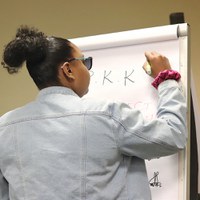
 Young Champions, Big Impact: The Soul Buddyz Club at Thakgalang Primary Takes on Cancer Awareness