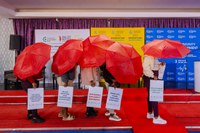
We May Be African Ladies, But Above All We Are Human Beings": Thabazimbi Dialogue Calls for Dignity, Justice and Access to Services
We may be African Ladies, but above all we are human beings."
These powerful words echoed throughout a community dialogue in Thabazimbi, where African Ladies, government leaders, civil society organisations and community stakeholders came together to discuss health, human rights, safety and access to essential services. The women who participated explained that they prefer to be known as African Ladies, a term that reflects how they identify themselves and wish to be addressed.
Hosted under the Karabelo GBV Response Programme, supported by SIOC Community Development Trust, the dialogue created a safe space for African Ladies to share their lived experiences, raise concerns and engage directly with decision-makers. The event reaffirmed that meaningful change begins when communities are listened to and included in shaping solutions that affect their lives.
Before we are African Ladies, we are human beings."
Throughout the dialogue, participants spoke candidly about the realities they face daily. While many described barriers to accessing healthcare, they also shared experiences of discrimination, violence and exclusion that continue to affect their wellbeing.
Among the concerns raised were:
- Stigma and discrimination when seeking healthcare.
- Abuse and disrespect at public health facilities.
- Long waiting times and shortages of healthcare workers.
- Unlawful arrests and harassment by law enforcement.
- Extortion, theft and physical assault.
- Criminal records resulting from arrests they believe were unlawful.
- Money allegedly confiscated during police operations.
- Limited access to justice and protection.
One participant reminded everyone in the room:
"Before we are African Ladies, we are human beings."
The statement captured the central message of the dialogue: every person deserves dignity, respect and equal treatment, regardless of their circumstances.
Government responds with commitments
Representatives from the Limpopo Department of Health acknowledged the concerns raised and committed to strengthening access to healthcare across the province.
The MEC for Health announced plans to expand mobile health services to reach communities that experience barriers to accessing clinics, helping reduce long queues and pressure on existing facilities.
The Department also committed to continuing staff development and workplace training to ensure healthcare workers provide respectful, person-centred care.
The MEC encouraged participants to report incidents of poor treatment at health facilities, assuring them that disciplinary processes would be followed where misconduct is identified.
"Our responsibility is to serve you, and to do that we need open communication," the MEC said.
Taking health services closer to communities
Speaking on behalf of SIOC Community Development Trust, Kgadi Magongoa reaffirmed the organisation's commitment to ensuring that African Ladies are not left behind.
"We are not leaving you behind. Services are available for you, and we can arrange health screening through our mobile clinic."
The commitment forms part of broader efforts to strengthen partnerships between government and civil society, bringing healthcare, HIV prevention, psychosocial support and other essential services closer to underserved communities.
Empowerment, prevention and shared responsibility
Representatives of the African Ladies also called on non-governmental organisations and government departments to invest in skills development, employment support and training opportunities that can improve livelihoods and expand future opportunities.
Participants highlighted the importance of taking responsibility for their own health while ensuring services remain accessible and free from discrimination.
The discussion also reinforced key public health messages. While antiretroviral treatment (ARVs) and pre-exposure prophylaxis (PrEP) are highly effective for HIV treatment and prevention, they do not prevent unintended pregnancy or other sexually transmitted infections (STIs). Participants encouraged continued condom use and access to comprehensive sexual and reproductive health services.
The dialogue also reaffirmed the importance of working together to achieve South Africa's 95-95-95 HIV targets.
Turning dialogue into action
The meeting concluded with a commitment to move beyond discussion and towards accountability.
Representatives announced that, within two weeks, a memorandum of demands would be submitted to the National Prosecuting Authority (NPA), the Department of Social Development (DSD), the South African Police Service (SAPS) and the Department of Health. The memorandum will outline the concerns raised and call for coordinated action to improve access to services, strengthen accountability and protect the rights and dignity of African Ladies.
Participants were encouraged to continue speaking out against injustice.
"We must not be quiet. When you see something, say something."
Building partnerships for lasting change
The dialogue brought together provincial government, municipal leadership, civil society organisations and community representatives with a shared commitment to improving health, safety, justice and economic inclusion.
The venue was filled to capacity, and the atmosphere remained respectful and solutions-focused throughout the engagement. By creating space for honest conversation and direct engagement with decision-makers, the dialogue laid the foundation for stronger partnerships and meaningful follow-up.
As participants departed, one message remained clear: African Ladies are calling not for special treatment, but for the dignity, respect, healthcare and human rights that every person deserves.