Conference Reflection and Presentation Summary
Soul Buddyz Clubs Impact Study Presentation
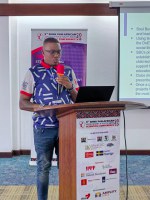
I had the opportunity to present findings from the Soul Buddyz Clubs (SBC) Impact Study, based on an abstract submitted by Lovemore Manjoro and drawn from research conducted by Genesis Analytics.
The presentation focused on the critical role that early-age programming plays in addressing South Africa's "triple threat":
- Early and unwanted adolescent pregnancy
- Gender-based violence (GBV)
- New HIV infections
The findings highlighted how structured, age-appropriate interventions can strengthen young people's knowledge, resilience, decision-making skills, and protective behaviours. Programmes such as Soul Buddyz Clubs continue to demonstrate the value of investing in children early, equipping them with the tools and confidence needed to navigate challenges and make informed choices as they grow.
Audience Engagement and Key Questions
The presentation generated thoughtful discussion among conference participants, with two key questions emerging from the audience.
Digitisation of Materials
Participants asked whether Soul Buddyz Club materials have been digitised and whether Buddyz can access them online.
In response, I shared that efforts are underway to increasingly digitise materials and explore platforms that can provide safe and accessible online access for both facilitators and participants. At the same time, it remains important to consider challenges such as connectivity, data costs, and device availability across different communities.
Government Alignment
Another question focused on how the programme ensures alignment with government policies and requirements to support smooth implementation.
I explained that alignment is achieved through ongoing engagement with relevant government departments, adherence to approved guidelines and curricula, and continuous adaptation of implementation plans to meet policy and reporting requirements while maintaining programme quality and impact.
Closing Reflection
The conference provided a valuable platform for sharing evidence, exchanging practical lessons, and strengthening partnerships across sectors. It reinforced the importance of collaboration between government, civil society, researchers, development partners, and communities in addressing the challenges facing young people.
Most importantly, the strong youth voice throughout the conference served as a reminder that effective sexual and reproductive health and rights (SRHR) and HIV responses must be designed with young people, not only for them. Their experiences, perspectives, and leadership are essential to creating programmes and policies that are relevant, responsive, and sustainable.
As we move forward, the recommendations shared by young people should continue to guide our collective efforts to build healthier, safer, and more equitable futures for all.