“Protection is not a gift we give children. It is a right they are born with. Our failure to deliver it is a political choice — and political choices can be changed.”
Every child deserves a home that is a place of safety, belonging, and love. Yet for too many children, the greatest threats to their wellbeing are found behind closed doors. Abuse, neglect, violence, and exploitation often occur in environments where children should feel most protected. This reality reminds us that child protection cannot rest with specialists alone; it is a shared responsibility.
Parents, caregivers, extended family members, neighbours, teachers, coaches, faith leaders, and community members all play a role in safeguarding children. Safeguarding means not only responding to harm but also creating environments where harm is less likely to occur. It involves listening to children, noticing changes in behaviour, taking concerns seriously, reporting risks, and challenging attitudes that normalise violence, silence, or mistreatment.
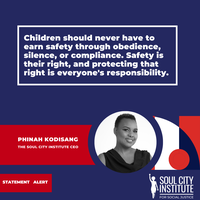
Children should never have to earn safety through obedience, silence, or compliance. Safety is their right, and every adult has a duty to protect children from physical, emotional, and sexual harm while treating them with dignity and respect.
When homes are safe, children can thrive. They can learn, play, dream, and develop into confident adults. When homes are unsafe, the consequences often follow children throughout their lives, affecting their health, education, relationships, and future opportunities. Building a South Africa that protects children therefore requires us to start where children start: at home.
The urgency of this responsibility is reflected in South Africa’s latest crime statistics. Behind every reported case is a child whose sense of safety has been shattered, a family carrying unimaginable pain, and a community left to confront the lasting effects of violence. Far too many children continue to experience abuse, sexual violence, and even death at the hands of those who should protect them. These figures are more than data; they are a stark reminder that many children remain at risk in the very places where they should feel safest. They call on all of us to strengthen prevention, intervene early, and remain vigilant in protecting children from harm.
This Child Protection Week, we must move beyond reflection and take action. Ask the difficult question: What are we doing, as adults, to ensure that the children in our care are safe? Check in on a child who seems withdrawn or distressed. Learn the signs of abuse and neglect. Report suspected harm to the relevant authorities instead of assuming someone else will act. Support parents and caregivers who are struggling. Ensure schools, sports clubs, faith communities, and youth programmes have clear safeguarding policies and that adults are held accountable for following them.
Child protection is not only the responsibility of government or child welfare organisations. It is a daily commitment that belongs to all of us. Every conversation, every report made, every child who is listened to and believed can make a difference. Children cannot afford our silence or our delay. The time to act is now, and every adult and every community has a responsibility to help create environments where children are safe, valued, and protected.