Day Two at the 9th RHNK SRHR Conference 2026: Poster Presentations, Oral Sessions, and Powerful Reflections on Youth SRHR Access
A strong focus throughout the day was on sharing evidence-based approaches, community-driven solutions, and practical implementation strategies that respond to real barriers faced by young people accessing SRHR services.
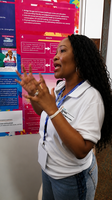
Confidence poster presentation: breaking barriers in youth SRHR access
One of the key highlights of the day was Confidence Marumo’s abstract poster presentation titled:
“Removing Barriers to Adolescent SRHR Services: Strengthening Access through Youth-Friendly Service Delivery in South Africa.”
The presentation attracted meaningful engagement during the booth discussions, creating a space for reflection and dialogue with conference participants. During the 30-minute presentation slot, the audience ranged between 5 to 10 attendees, allowing for focused and in-depth interaction.
The conversations were described as wholesome, engaging, and thought-provoking, particularly as participants explored how youth-friendly services are being implemented and experienced on the ground.
Key Questions and Concerns Raised
Three critical questions emerged from the audience discussion:
- It appears the focus is more on the facility than on the youth who require or need the services.
- Who sets the AYFS (Adolescent and Youth Friendly Services) framework?
- How have you been addressing the issue of confidentiality in youth SRHR service delivery?
These questions highlighted ongoing gaps between policy intention and lived experience, especially regarding youth-centred care, governance of frameworks, and trust in service delivery systems. They also reinforced the importance of continuously interrogating how health systems are designed and whether they truly prioritise young people’s needs, privacy, and dignity.
Engaging and Informative Sessions Across the Day
Beyond the poster presentations, the broader sessions remained highly informative and engaging. Researchers, practitioners, and youth advocates shared insights that reflected both progress and persistent challenges in advancing SRHR across African contexts.
There was a clear emphasis on collaboration, accountability, and innovation in improving access to adolescent and youth-friendly services.
Key Highlight: A Call for Stronger Partnerships in SRHR Work
A major highlight of the day came during the main plenary session featuring Dr. Claudia Shilumani, who underscored the importance of strengthening partnerships among like-minded organisations working in SRHR.
In her address, she specifically recognised the impactful work being done by Soul City Institute (SCI) as an International Planned Parenthood Federation (IPPF) Member Association (MA), emphasising the value of collective action in advancing sexual and reproductive health rights across Africa.
Her remarks reinforced a central theme of the conference: that meaningful change in SRHR outcomes requires collaboration across organisations, sectors, and communities.
Closing Reflections
Day two of the conference demonstrated the power of evidence-sharing spaces in shaping SRHR discourse. From Confidence's poster presentation to high-level plenary insights, the day reflected a shared commitment to ensuring that adolescent and youth SRHR services are not only available, but truly accessible, confidential, and youth-centred. As the conference continues, these conversations set a strong foundation for deeper exploration into how systems can be transformed to better serve young people across Africa.