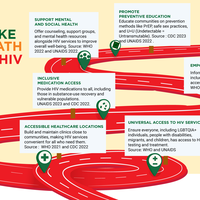
Why We No Longer Say “HIV/AIDS” And What to Say Instead
One of the most important shifts in sexual and reproductive health communication is moving away from the term “HIV/AIDS.” While it was once widely used, it no longer reflects current science or respectful practice.
HIV and AIDS Are Not the Same Thing
HIV (Human Immunodeficiency Virus) is a virus that affects the immune system.
AIDS (Acquired Immunodeficiency Syndrome) is a late stage of HIV infection that can occur if HIV is untreated.
With today’s treatment, most people living with HIV will never develop AIDS. Thanks to antiretroviral therapy (ART), people living with HIV can live long, healthy lives and maintain undetectable viral loads meaning they cannot transmit HIV to sexual partners (U=U: Undetectable = Untransmittable).
So when we use “HIV/AIDS” as a combined term, it:
- Blurs important medical distinctions
- Reinforces outdated fears
- Contributes to stigma and misinformation
What Language Should We Use Instead?
According to the UNAIDS Terminology Guide, we should use:
- People living with HIV (not “HIV-infected people”)
- HIV (not “HIV/AIDS” unless specifically referring to AIDS)
- HIV transmission (not spread or “contagion)
- HIV prevention and HIV treatment
- Key populations or priority populations (not high-risk groups)
And always:
- Use people-first language
- Avoid blame, fear, or moral judgement
- Use terms that empower, not stigmatise
Why This Matters for Reproductive Health
Reproductive health is about more than biology , it’s about choice, dignity, access, and rights. When we use respectful language:
- More people feel safe accessing testing, treatment, and care
- Stigma is reduced
- Conversations become more honest and effective
- Communities become healthier and more informed
For young people, especially, language shapes whether health spaces feel supportive or shaming. Inclusive terminology helps create environments where people can ask questions, seek care, and protect their health without fear.
Take Action: Know Your Status, Protect Your Health
- Get free, confidential HIV and other STI testing, counselling and other healthcare services
- Access condoms, PrEP, and ART
- Get accurate sexual and reproductive health information
Visit B-Wise to find youth-friendly clinics and health services near you.
You can also walk into your nearest public clinic for free services, including:
- HIV testing and treatment
- Family planning
- STI screening and treatment
- Pregnancy care and counselling
Let’s Lead with Respect
This Reproductive Health Month and beyond, let’s commit to:
- Using accurate, inclusive HIV terminology
- Challenging stigma when we see or hear it
- Promoting facts over fear
- Supporting the health and rights of everyone, especially young people and marginalised communities
Because language doesn’t just describe the world, it helps shape it.