The importance of inclusive health in our communities
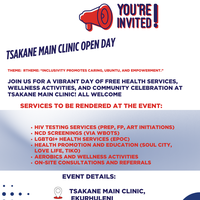
Inclusive health is essential for building strong, resilient communities, and it is at the heart of initiatives like the upcoming Tsakane Main Clinic Open Day event on 13 February 2026.
Why Inclusive Health Matters
Inclusive health ensures that all individuals, especially adolescents, youth, and marginalised groups, receive care that is respectful, sensitive, and empowering. When healthcare systems fail to meet these needs, young people may experience gaps in knowledge, access, and support. This can lead to preventable outcomes such as teenage pregnancies, sexually transmitted infections (STIs), and mental health challenges.
As Johannes G. Thamae , researcher and health advisor, explains:
“The day of the 13th, we are actually looking at pregnancy awareness, teenage pregnancy. As health professionals, we are asking ourselves, where did we fail that teenager as a primary healthcare institution that we could not have assisted her?”
He further emphasises that the goal is not only to provide services butalso to create an environment where young people feel seen, heard, and cared for:
“As part of this Open Day, we are creating an affirming healthcare environment for self-identified LGBTIQ+ persons. Are we able to provide care to adolescents that is free of judgment and discrimination? Are we empowered to provide sensitive care to these adolescents?”
From Research to Practice
Inclusive health is about bridging the gap between research and practice. The strategies being implemented at Tsakane Clinic, in collaboration with partners like, Soul City Institute, Wits RHI, broader community and LGBTQIA+ organisations, aim to ensure that healthcare professionals are equipped to deliver non-judgmental, respectful, and empowering care to everyone who walks through their doors;
“Bringing research into practice so that we can promote inclusivity, which will promote caring, Ubuntu, and empowerment.”
Ubuntu,a philosophy of humanity and interconnectedness, guides this approach. Every person is treated as a valued individual, regardless of race, sexual orientation, or social background.
The Role of Community and Stakeholders
Inclusive health is not the work of clinics alone. It requires partnerships with communities, schools, NGOs, and local organisations to address barriers, raise awareness, and ensure that services are accessible and equitable. Thamae stresses the importance of collaborative engagement:
“Those specific stakeholders will have to be highlighted as part of the statement, ensuring that this is not just an individual statement but a shared commitment to providing inclusive healthcare for adolescents, youth, and marginalised populations.”
Looking Ahead
Events like the Tsakane Main Clinic Open Day are more than just community engagements; they are opportunities to model inclusive healthcare, educate residents, and empower youth.
By prioritising inclusive health, communities can ensure that every individual has the knowledge, support, and access they need to thrive. Inclusive healthcare is not optional; it is essential. When communities embrace inclusivity, everyone benefits from healthier youth, empowered residents, and a stronger, more connected society.